
Driving in Spain as a Tourist – Rules, Tips and What to Know
Driving in Spain as a tourist is generally straightforward, but understanding local road rules and driving habits helps ensure a safer and more comfortable journey.
Whether you are planning to explore Valencia, drive along the Mediterranean coast or visit nearby towns, knowing Spanish driving regulations and common road practices will help you avoid fines and travel with confidence.
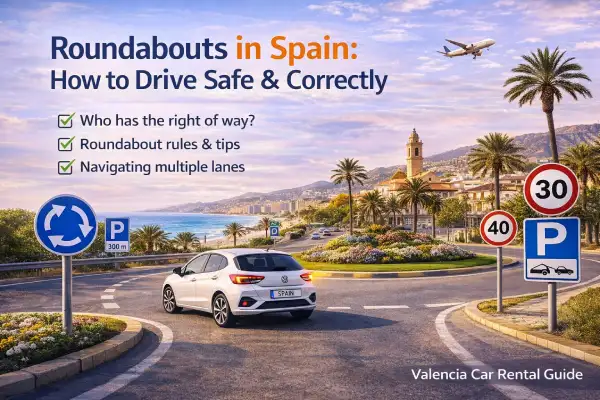
Is It Easy for Tourists to Drive in Spain?
Yes, driving in Spain is generally easy for tourists, especially if you are familiar with driving in Europe or other countries with right-hand traffic. Roads are well maintained, clearly marked and supported by modern navigation systems.
In Spain, vehicles drive on the right-hand side of the road, similar to most European countries. Road infrastructure is modern, and major highways are designed to support safe long-distance travel.
- Traffic moves on the right-hand side
- Road signs follow international standards
- Highways and main roads are well maintained
- Navigation apps work reliably across Spain
Cities such as Valencia are generally driver-friendly, although traffic can be busier during peak hours. With basic preparation and awareness of local rules, most tourists find driving in Spain comfortable and straightforward.
Important Driving Rules in Spain
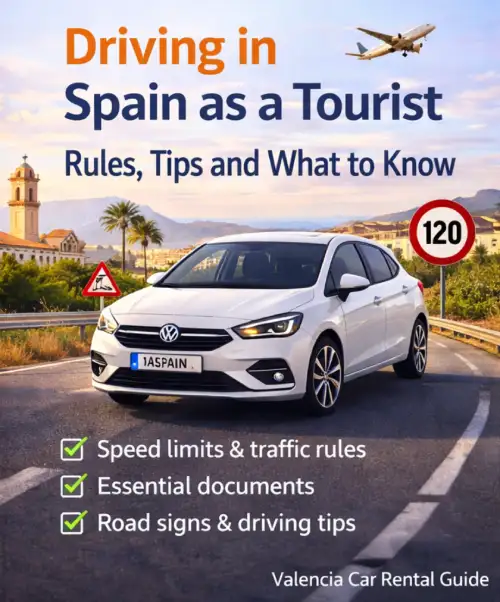
Understanding the most important driving rules in Spain helps tourists avoid fines and ensures safer travel. While many rules are similar to those in other European countries, there are specific regulations that visitors should always follow.
Spanish traffic laws are strictly enforced, and penalties for violations such as speeding or using a mobile phone while driving can be significant.- Seat belts must be worn by all passengers
- Using a handheld mobile phone while driving is prohibited
- Children must use approved child safety seats when required
- Driving under the influence of alcohol is strictly regulated
It is also important to carry your driving licence, identification and rental documents while driving. Police checks can occur, especially on highways and during holiday periods.
Speed Limits in Spain
Speed limits in Spain are clearly marked on road signs, but understanding the standard limits helps drivers stay within legal ranges and avoid unexpected fines.
While limits may vary depending on local conditions, most roads follow standard national speed regulations.
- Urban areas (cities and towns): typically 50 km/h
- Residential zones: often 30 km/h
- Rural roads: usually 90 km/h
- Motorways and highways: up to 120 km/h
Speed cameras are widely used across Spain, including fixed cameras and mobile radar checks. Always pay attention to posted speed limit signs, especially when entering urban zones or approaching roundabouts.
Understanding Road Signs and Roundabouts
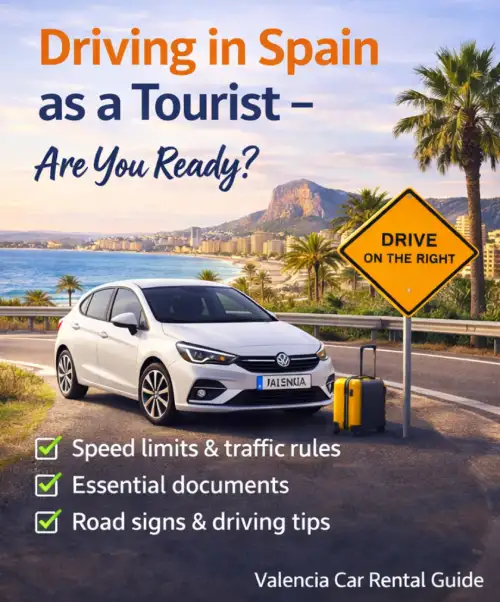
Road signs in Spain follow international standards, making them easy to understand for most international drivers. However, roundabouts are extremely common across Spanish cities, including Valencia, and understanding how they work is essential for safe driving.
In Spain, vehicles already inside the roundabout usually have the right of way. Drivers entering the roundabout must yield to traffic coming from the left.
- Yield to vehicles already inside the roundabout
- Use indicators when exiting the roundabout
- Watch for pedestrian crossings near roundabouts
- Follow directional arrows marked on the road
Most major roads and intersections in Spain are clearly marked with visible signs and lane indicators. Using navigation apps and paying attention to road markings helps drivers stay confident and avoid mistakes.
Parking Rules in Valencia
Parking in Valencia is generally well organised, but it is important to understand local parking zones and regulations. The city uses colour-coded parking areas that determine how long you can park and whether payment is required.
In busy central areas, parking spaces may be limited, so planning ahead and recognising different zone types helps avoid fines or towing penalties.
- Blue zones usually require payment during daytime hours
- White zones are typically free parking areas
- Yellow lines usually indicate restricted or prohibited parking
- Underground parking garages are widely available in the city
If you are planning to collect your vehicle at the airport and drive directly into the city, reviewing available vehicles and rental details through Valencia Airport car rental can help you prepare for city driving and parking conditions.
Tips for Safe Driving in Spain
Driving safely in Spain is mostly about staying alert and adapting to local traffic habits. Roads are generally in good condition, but understanding local driving styles helps prevent unexpected situations.
Spanish drivers are usually confident and familiar with roundabouts and busy city traffic. Staying calm and allowing enough reaction time helps maintain a safe driving experience.
- Keep a safe distance from the vehicle ahead
- Watch for pedestrians in urban areas
- Use headlights when visibility is reduced
- Stay alert to changing road conditions and signs
Planning your route in advance and allowing enough time for your journey helps reduce stress and improves overall safety while driving in Spain.
Frequently Asked Questions About Driving in Spain as a Tourist
Can tourists drive in Spain with a foreign driving licence?
Yes, tourists can usually drive in Spain using a valid driving licence issued in their home country. Visitors from EU and UK countries can typically use their licences without additional requirements, while drivers from some non-European countries may need an International Driving Permit (IDP).
Do I need an International Driving Permit in Spain?
An International Driving Permit may be required if your licence was issued outside the European Union or is not written in the Latin alphabet. It is recommended to check requirements before travelling to Spain.
Are speed cameras common in Spain?
Yes, speed cameras are widely used across Spain, including fixed cameras on highways and mobile radar units in urban and rural areas. Following posted speed limits helps avoid fines and ensures safer driving.
Is driving in Valencia difficult for tourists?
Driving in Valencia is generally straightforward for tourists. Roads are well maintained, and traffic signs are clearly marked. Like most cities, traffic can be busier during peak hours, but navigation apps and clear road layouts make driving manageable.